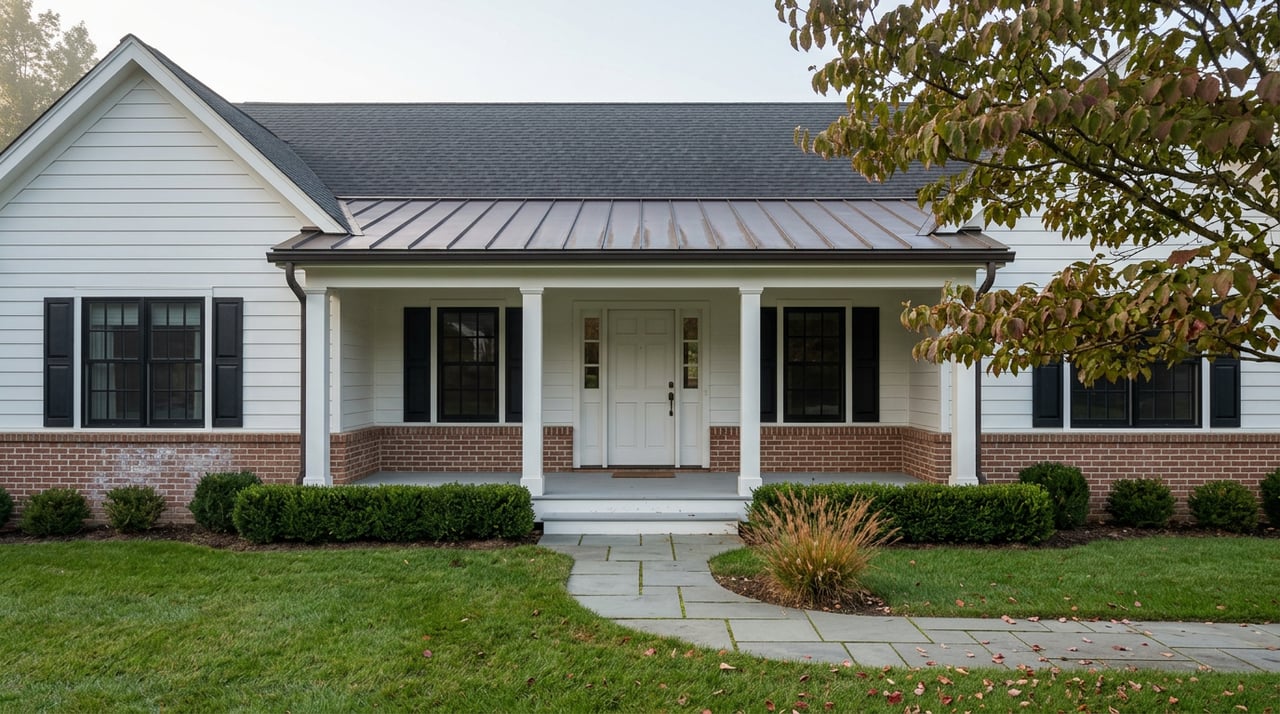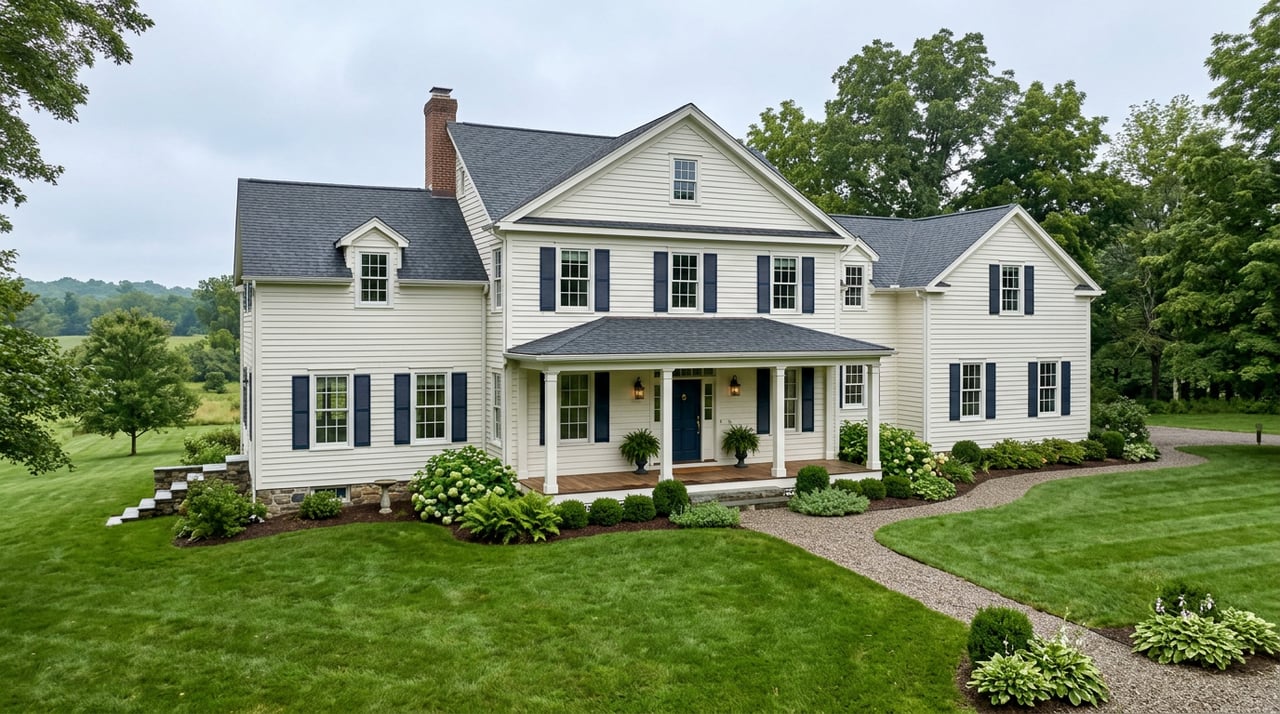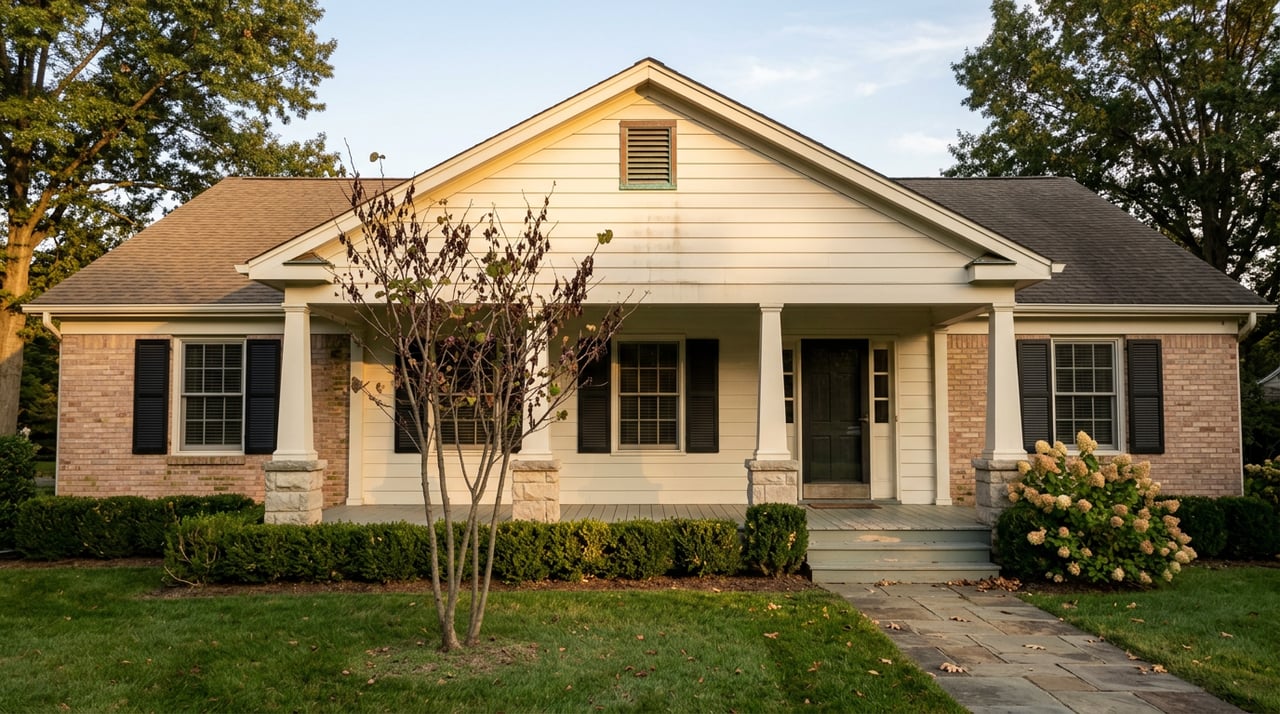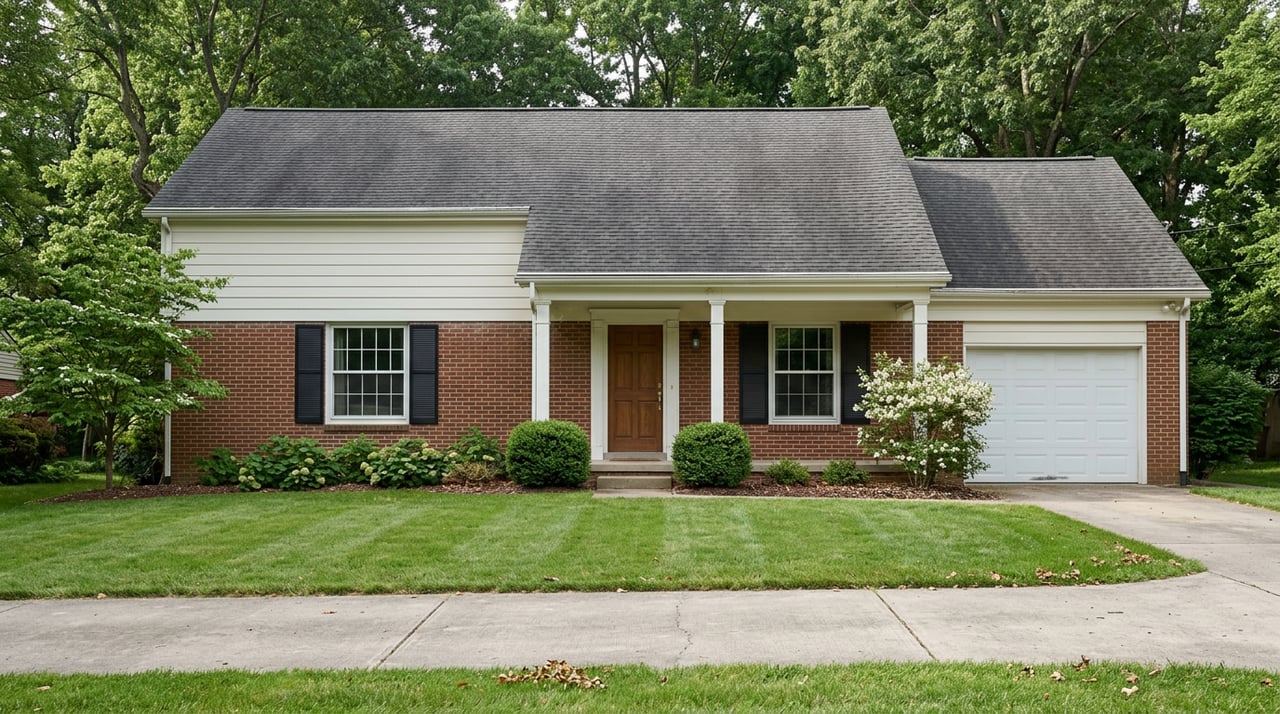
Facing an inherited home in Gate City can feel overwhelming fast. You may be grieving a loss, sorting through paperwork, and trying to figure out what happens next with the property. The good news is that you do not have to solve it all at once, and understanding the basic steps can make the path forward much clearer. Let’s dive in.
Start With How the Home Passed
In Virginia, an inherited home may pass through probate, but not every property does. Some homes transfer outside probate if the deed already included survivorship rights or if a transfer-on-death deed was properly recorded before the owner died.
If there is a will, a certified copy that has been admitted to probate should be recorded in the county where the real estate is located. If there is no will, Virginia intestate succession rules apply, and a real-estate affidavit can be used to identify the heirs and update the land books.
Because the property is in Gate City, the local probate and wills process runs through the Scott County Circuit Court Clerk. That local piece matters because both probate filings and land records are handled in the same county where the home sits.
Know Where Probate Happens in Scott County
Scott County’s Circuit Court Clerk office is in Gate City at 202 West Jackson Street, Suite 102. The county identifies probate and wills as part of the clerk’s work, which makes this the key local office for many estate-related property steps.
To probate a will, the person offering it should generally bring the original will and a death certificate. If the will includes a self-proving affidavit, witnesses usually do not need to appear, but if it does not, the clerk will need witness testimony.
A handwritten will creates another layer. In that case, two disinterested handwriting witnesses are required.
Gather the Documents Before You List
Before an inherited home can be sold, the person signing the listing and closing documents needs the proper legal authority. In many cases, that means assembling both the estate paperwork and the county recording documents early.
Common documents and records may include:
- The original will and any codicils
- A death certificate
- A list of heirs filed with the clerk
- A recorded will in the county where the property is located, when applicable
- A real-estate affidavit if the estate is intestate
- A probate tax return when the estate exceeds $15,000
- A surety bond if required
If the estate is intestate, the real-estate affidavit should identify the heirs and the property. The clerk records it and sends an abstract to the commissioner of revenue so the land books can be updated.
That authority piece is especially important if you are eager to move quickly. A home can sometimes be marketed before the estate is fully closed, but the correct person still needs recorded authority to sign documents and later convey title.
Understand Who Can Sell the Home
Not every family member automatically has the right to sell an inherited property. In Virginia, that authority depends on how title passed and whether an executor or administrator has been properly qualified.
If a will directs that the real estate should be sold and no one else is appointed to do it, the executor may have the power to sell and convey the property. If no executor qualifies, an administrator with the will annexed may have that same power.
There is also a specific rule for a sale already in progress. If the decedent had signed a binding sale contract before death, the personal representative can complete the deed.
Expect Probate to Take Time
One of the biggest surprises for families is that probate does not run on one simple clock. Virginia does not set a single fixed deadline to start probate, though initial steps are commonly recommended within 30 days after death, and it can often wait until about a week after the funeral.
Once qualification or probate happens, there are additional required deadlines. The personal representative must send written notice to the surviving spouse, heirs, and beneficiaries within 30 days, record the notice affidavit within four months, and file the inventory with the commissioner of accounts within four months.
That is why inherited home sales often take weeks to start and months to finish. The timing is shaped by filing requirements, title preparation, and the practical work of clearing out or preparing the property.
Watch for Common Delays
Some inherited sales move smoothly, while others slow down for reasons that are easy to miss at first. Knowing the common bottlenecks can help you plan better and reduce stress.
Here are a few issues that often affect timing:
- Missing witness testimony when a will is not self-proving
- Out-of-state heirs who need to review documents or coordinate signatures
- Intestate estates where all known heirs and addresses must be identified
- Waiting periods tied to appointment rules in intestate cases
- Clean-out, repair, or property access issues before the home is ready for market
Virginia also gives the clerk a 30-day window in some intestate situations before a sole distributee or designated heir may be appointed. If several relatives are involved, that can add time before the estate has someone with formal authority to act.
Plan for Gate City Logistics
If you live in another town or another state, handling an inherited property in Gate City can become a juggling act. Courthouse filings, property visits, tax questions, clean-out work, and vendor scheduling all need attention, often at the same time.
Scott County keeps probate and land-record work local to Gate City, which is one reason coordination matters so much. Many families benefit when one person stays focused on filings, access to the home, and communication with the people helping move the process forward.
Separate from probate, the Commissioner of Revenue handles real-estate assessment and the Treasurer handles real-estate tax payments. Virginia no longer has a state estate tax or inheritance tax, though the estate may still need final income-tax filings and other administration tasks.
Decide When to Sell As-Is or Prepare It
Once legal authority is in place, the next big decision is usually about condition. Some inherited homes are ready to list with light cleaning and basic touch-ups, while others need a deeper clean-out or repairs before they are marketable.
This is where a practical plan matters. If the home has been lived in for decades, you may be balancing sentimental belongings, deferred maintenance, and pressure from family members who want different outcomes.
A clear selling strategy usually starts with a few questions:
- Is the home accessible and safe to show?
- Does it need trash-out or estate clean-out work?
- Are there simple repairs that could improve saleability?
- Do all decision-makers agree on timing and next steps?
- Is it better to list quickly or prepare the home first?
There is no one-size-fits-all answer. The right path depends on the estate timeline, the condition of the property, and how much coordination the family can realistically manage.
Why Local Probate Sale Guidance Helps
Selling an inherited home is not just a paperwork issue. It is also an emotional transition, and in many cases, a major project with moving parts that affect title, timing, access, and family communication.
That is why local, hands-on guidance can make a real difference. You need someone who understands that this is not a routine sale and who can help you stay organized while the legal side and property side come together.
Kristi Bailey’s approach is built for transitions like this. With experience in probate and estate sales, senior moves, and downsizing, she offers the kind of calm, personal support that helps families take the next step with more confidence.
If you are preparing to sell an inherited home in Gate City, start by getting clear on title, authority, and timing. Then build a practical plan for the property itself. When you are ready for guidance, reach out to Kristi Bailey for a thoughtful, local conversation about your next move.
FAQs
What is the first step for selling an inherited home in Gate City?
- A good first step is finding out how the property passed, whether through probate, survivorship rights, or a transfer-on-death deed, and then confirming who has legal authority to act.
Where do probate matters for a Gate City home get handled?
- Probate and wills for property in Gate City are handled through the Scott County Circuit Court Clerk in Gate City.
Can you sell an inherited house in Gate City before probate is fully closed?
- Sometimes yes, but the person signing the listing and closing documents must have the proper recorded authority to convey title.
What documents are commonly needed for an inherited property sale in Scott County?
- Common documents may include the original will, death certificate, list of heirs, recorded will or real-estate affidavit, and in some cases a probate tax return or surety bond.
What can delay the sale of an inherited home in Virginia?
- Delays often come from missing witness requirements, out-of-state heirs, intestate estates that require full heir information, appointment timing, and property clean-out or repair work.
Does Virginia charge an inheritance tax on inherited property?
- Virginia does not currently have a state estate tax or inheritance tax, though estates may still need to complete final income-tax filings and other administration duties.