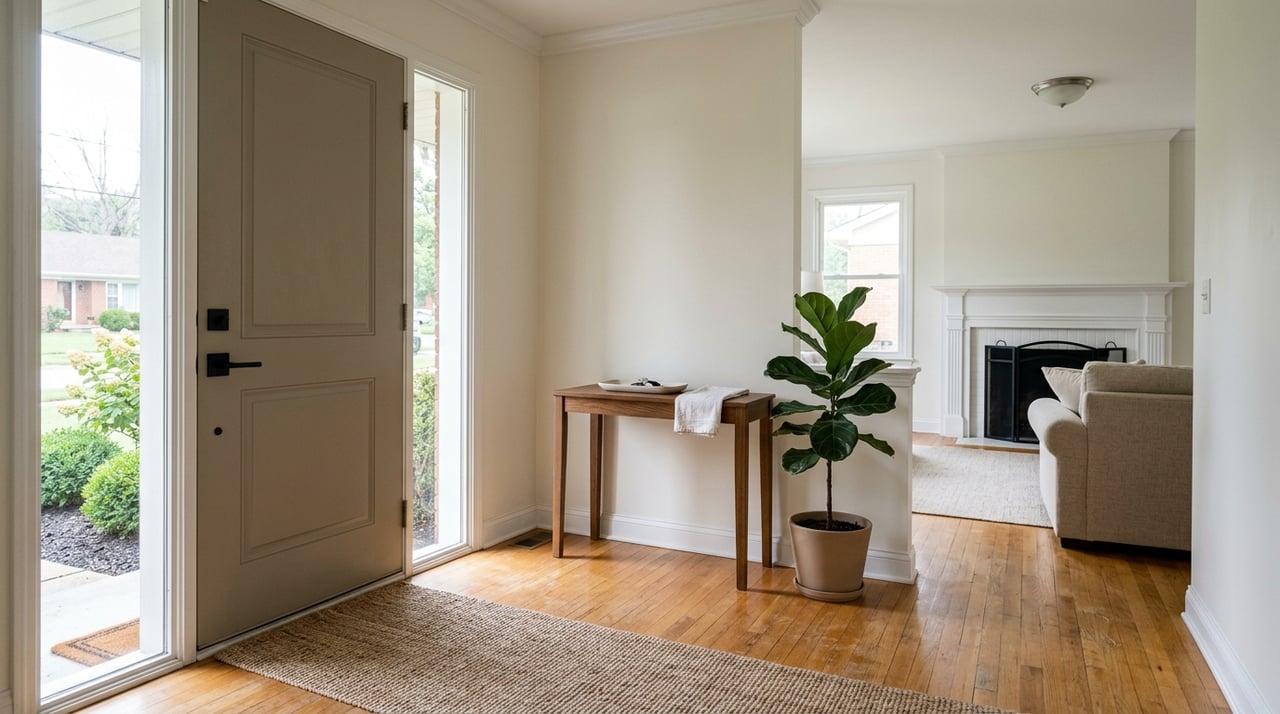
If you have lived in your Gate City home for many years, downsizing can feel like a big emotional and practical project all at once. You may be wondering what to fix, what to keep, when to list, and how to make the move feel manageable instead of overwhelming. The good news is that with a clear plan and the right local support, you can simplify the process and protect your home’s value. Let’s walk through what local owners should know.
Why downsizing in Gate City takes planning
Gate City is a small housing market, with 2,043 residents, 886 households, and 1,167 housing units across about 4 square miles, according to the U.S. Census Bureau. In a market this size, buyers may have fewer recent comparable homes to look at. That can make your home’s condition, layout, and lot appeal even more important when it comes time to price and market it.
Recent housing data also suggest a steady market rather than a rushed one. In March 2026, Realtor.com described Gate City as a balanced market with a median 57 days on market, a 97% sale-to-list ratio, and a median listing price of $264,700 in ZIP code 24251. Other county-level data show different numbers, but the overall message is similar: you should plan for a measured process, not a one-week sprint.
Start earlier than you think
For most owners, the smartest downsizing move is to begin before you feel forced to act. If local homes are taking roughly two to three months to sell, that gives you a realistic planning window for repairs, sorting, paperwork, and moving logistics. Starting early also gives you more room to make thoughtful decisions instead of rushed ones.
This matters even more if you are coordinating with adult children, planning a move to a lower-maintenance home, or handling an estate property. A little extra time can lower stress and help everyone stay on the same page. In Kristi Bailey’s client-first approach, calm planning is often what turns a difficult move into a smoother transition.
Decide what to keep and what to let go
One of the hardest parts of downsizing is not the sale itself. It is deciding what stays with you and what needs a new home. The easiest way to make progress is to sort items into simple categories.
Use four clear categories
Try labeling belongings as:
- Keep
- Give to family
- Donate
- Sell or discard
This method keeps decisions moving and helps prevent piles from shifting from one room to another. If an item is meaningful but not practical for your next home, decide whether a family member truly wants it now rather than saving every decision for later.
Focus on daily living first
Start with the things you use every week. Furniture that fits your next space, important paperwork, medications, kitchen basics, and everyday clothing should be easy to identify. Seasonal décor, duplicate items, and rarely used furniture are often easier places to begin trimming down.
Keep paperwork organized
Set aside one box or file for key documents. That might include tax records, insurance papers, deeds, utility information, estate documents, and repair receipts. Having these in one place can save time later when questions come up during the sale.
Should you list before the house is empty?
Many sellers wait too long because they think the home must be completely emptied before it can go on the market. In reality, that is not always necessary. What matters most is whether the home shows as clean, safe, and easy for buyers to understand.
If sorting will take months, it may make sense to list once the home is decluttered and presentable, even if some rooms are still being finalized. If the house is overly full, difficult to walk through, or in need of basic cleanout work first, waiting a bit longer may lead to a better presentation. The right answer depends on condition, layout, and how quickly you can make the home feel open and functional.
Repairs that usually matter most
When you are preparing to sell, it is easy to spend money in the wrong places. In a smaller market with fewer perfect comparable sales, buyers and appraisers often pay close attention to condition. That means function and safety usually deserve attention before cosmetic upgrades.
Prioritize function over finishes
A home inspection is meant to give a complete and honest picture of physical condition, while an appraisal is an independent opinion of value. Appraisal guidance also notes that condition, quality, deferred maintenance, and needed repairs matter, especially when defects affect safety, soundness, or structural integrity.
In practical terms, your budget is often best spent on issues like:
- Roof leaks
- HVAC concerns
- Plumbing problems
- Electrical issues
- Drainage concerns
- Other deferred maintenance that affects safety or function
Fresh paint and simple cleanup can still help, but they usually should not come before major repair items. A pretty room cannot hide a leaking roof or a failing system.
Cosmetic updates are secondary
If your home is already sound and well maintained, small cosmetic improvements may help it feel more move-in ready. That could include neutral paint, basic landscaping cleanup, or removing bulky furniture. Still, the goal is not to chase every trend. The goal is to present a well-cared-for home clearly and honestly.
Understand Virginia disclosure rules
Before listing, it helps to know what Virginia requires from sellers. The Virginia Residential Property Disclosure Act applies to most residential sales of one to four dwelling units. Sellers must disclose certain known issues before contract ratification, or a buyer may have a limited right to terminate.
Required disclosures can include known pending building code or zoning violations, lis pendens, prior methamphetamine manufacturing, privately owned stormwater maintenance requirements, and repetitive-loss flood history. If you are unsure what applies to your property, getting organized early can help you avoid delays later. This is especially important for long-time owners and estate representatives who may be sorting through years of records.
Coordinate family help without the chaos
Downsizing often becomes harder when several relatives are trying to help at once. Good intentions can still create confusion, delays, or conflict if no one is clearly leading the process. A simple structure usually works best.
Choose one point person
Appoint one main contact for decisions and updates. That person can communicate with family members, track deadlines, and keep the process moving. This is especially helpful when adult children live out of town.
Share one master checklist
Create a shared list for:
- Repair tasks
- Cleanout deadlines
- Utility changes
- Donation or pickup dates
- Moving dates
- Important paperwork
With one list, everyone can see what is done and what still needs attention. That can reduce repeated conversations and mixed messages.
Local services that can make downsizing easier
You do not have to handle every task alone. Gate City and Scott County have practical local resources that may help lighten the workload.
Cleanout and disposal support
Scott County Public Works operates the county transfer station and provides dumpster and bin pickup at 14 solid-waste convenience centers. For owners facing years of accumulated belongings, that can be a useful option during cleanout.
Transportation help for older adults
Mountain Empire Older Citizens offers free demand-response transportation Monday through Friday from 7 a.m. to 5 p.m. across Scott, Lee, and Wise counties and the City of Norton. The service can accommodate wheelchairs, walkers, and other mobility aids, which may be helpful if transportation is part of your moving plan.
Tax relief questions
Scott County also offers local real estate tax relief that may matter for some older owners. Eligible primary-residence owners who are 65 or older, or totally and permanently disabled, may qualify for up to $200 in real estate tax relief if they meet income and asset guidelines and are current on taxes. The county also notes a separate exemption for qualifying 100% service-connected disabled veterans.
What if the home is part of an estate?
If the property is part of an estate, the first question is authority. Before the home can be listed or sold, you need to confirm who has legal authority to sign documents and manage the sale. That may be an executor or another authorized representative, depending on the estate situation.
This is one reason probate and estate sales benefit from an organized, process-driven approach. When paperwork, cleanout, repairs, and family communication all overlap, having clear steps can save time and reduce stress. It also helps protect the estate from preventable delays.
A steady plan usually wins
Downsizing in Gate City is rarely about shrinking square footage alone. More often, it is about creating an easier next chapter while making thoughtful decisions about the home you have cared for over the years. In a balanced local market, preparation, honest pricing, and repair triage can make a meaningful difference.
If you are starting to think about a move, you do not need every answer on day one. You just need a plan that fits your timeline, your property, and your family’s needs. When you are ready for a calm, personal conversation about your next step, reach out to Kristi Bailey.
FAQs
What should Gate City homeowners keep, donate, sell, or give to family when downsizing?
- Start by sorting items into four groups: keep, give to family, donate, and sell or discard. Focus first on daily-use items, important documents, and furniture that will fit your next home.
Should Gate City sellers list a home before finishing the entire cleanout?
- Sometimes yes. If the home is decluttered, clean, and easy to show, you may not need to wait until every item is gone. If the house still feels crowded or hard to walk through, more sorting first may help.
Which repairs matter most before selling a home in Gate City?
- Usually, function and safety come first. Focus on roof issues, HVAC, plumbing, electrical, drainage, and other deferred maintenance before spending heavily on cosmetic updates.
How long should a downsizing move in Gate City take?
- Based on recent local market timing, it is wise to plan for a multi-month process. That gives you time to sort belongings, complete key repairs, prepare the home, and coordinate the move.
What local services can help with downsizing in Scott County?
- Scott County Public Works may help with cleanout and disposal needs through its transfer station, dumpster service, and convenience centers. Mountain Empire Older Citizens provides free weekday transportation across the region for eligible riders.
What should families know about selling an estate home in Gate City?
- The key first step is confirming who has authority to sign and manage the sale. Once that is clear, an organized plan for paperwork, cleanout, repairs, and communication can help the process go more smoothly.